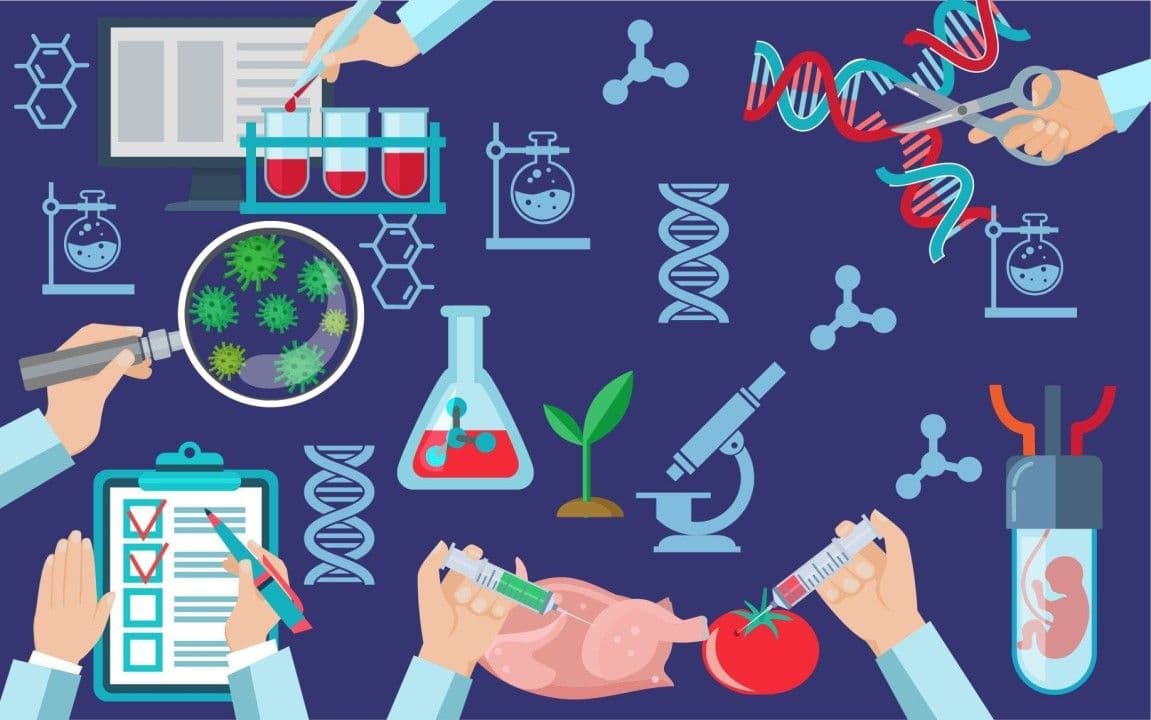
1. Biopharmaceutical Advancements: Biotechnology has revolutionized the pharmaceutical industry, enabling the development of cutting-edge therapies and treatments. From recombinant DNA technology to gene editing tools like CRISPR-Cas9, biopharmaceutical companies are pushing the boundaries of medicine. Biologics, such as monoclonal antibodies and gene therapies, offer personalized approaches to treating diseases like cancer, genetic disorders, and autoimmune conditions. Moreover, advancements in mRNA technology have paved the way for rapid vaccine development, as evidenced by the COVID-19 mRNA vaccines.
2. Precision Agriculture and Genetic Engineering: In agriculture, biotechnology plays a pivotal role in enhancing crop yields, resilience, and nutritional value. Genetically modified organisms (GMOs) engineered for traits like pest resistance, drought tolerance, and increased nutrient content offer solutions to global food security challenges. Precision agriculture techniques, including DNA sequencing and bioinformatics, optimize farming practices by providing insights into soil health, crop genetics, and environmental factors. Biotechnology-driven innovations are shaping the future of sustainable agriculture and food production.
3. Environmental Bioremediation and Conservation: Biotechnology offers promising solutions for environmental remediation and conservation efforts. Microbial bioremediation harnesses the metabolic capabilities of bacteria and fungi to degrade pollutants and toxins in soil, water, and air. Synthetic biology techniques enable the design of microbial systems for cleaning up oil spills, detoxifying industrial waste, and mitigating environmental pollution. Additionally, genetic conservation initiatives leverage biobanking and cryopreservation to preserve endangered species and genetic diversity for future generations.
4. Bioinformatics and Data-driven Insights: Bioinformatics, the intersection of biology and computational science, plays a vital role in harnessing biological data for insights and discoveries. High-throughput sequencing technologies, such as next-generation sequencing, generate vast amounts of genomic and proteomic data, driving advancements in personalized medicine and evolutionary biology. Machine learning algorithms and big data analytics facilitate the analysis of complex biological datasets, uncovering patterns, predicting protein structures, and identifying potential drug targets.
5. Ethical Considerations and Regulatory Frameworks: As biotechnology continues to advance, it raises important ethical considerations regarding genetic engineering, bioprospecting, and biosecurity. Regulatory frameworks govern the ethical use of biotechnologies in research, development, and commercialization, balancing innovation with safety and ethical principles. Public engagement and dialogue are essential for addressing societal concerns surrounding issues such as genetic modification, human enhancement, and bioterrorism preparedness.
Conclusion: Biotechnology continues to drive transformative advancements across diverse sectors, from healthcare and agriculture to environmental conservation and beyond. As the field evolves, interdisciplinary collaboration, responsible innovation, and ethical considerations will be paramount in realizing the full potential of biotechnology to address global challenges and improve quality of life for people worldwide.